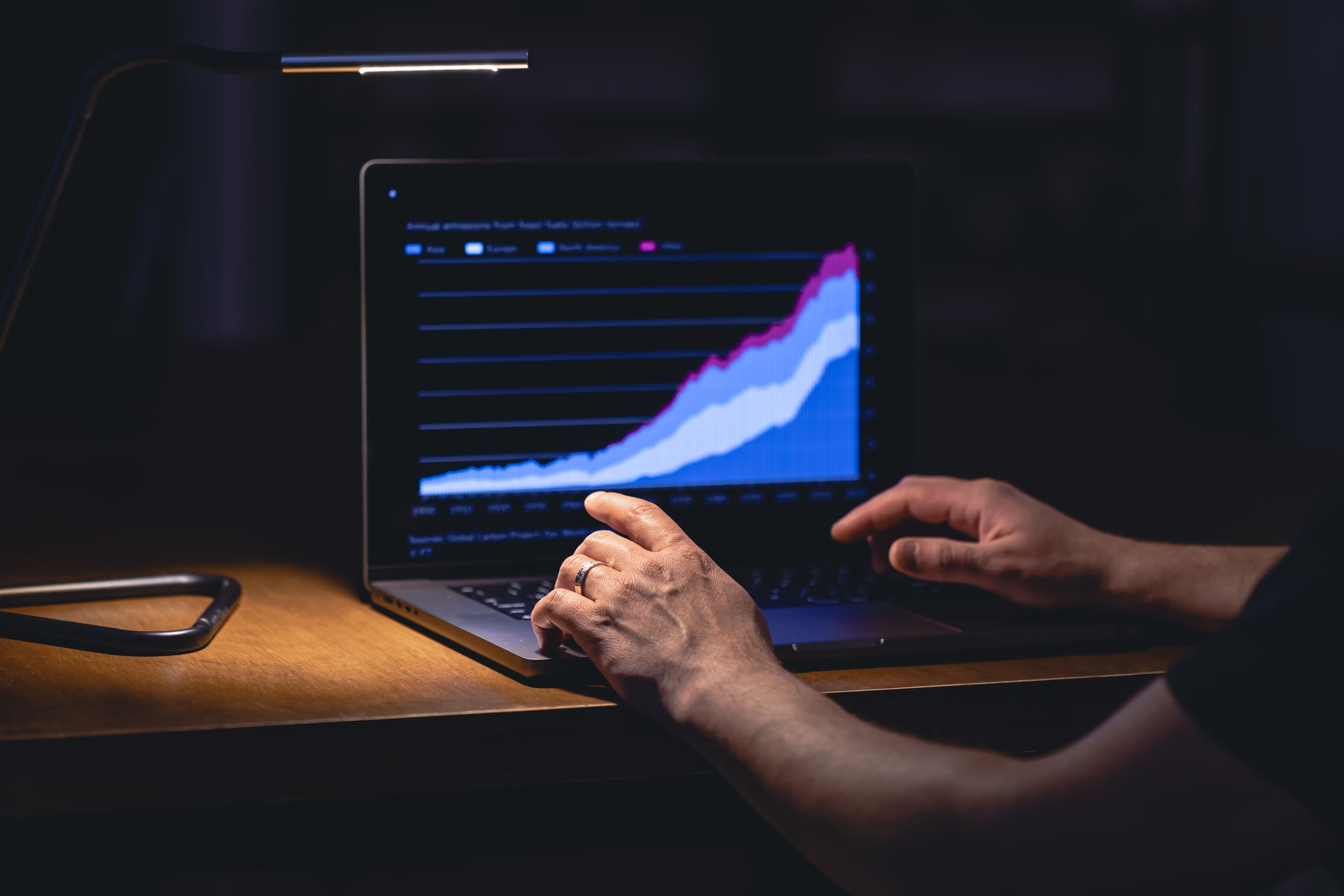
In short: An SEO monitoring setup means tracking rankings, organic traffic, visibility index and technical errors continuously, instead of waiting for a monthly report. The free Google Search Console and Google Analytics cover the basics, and a rank-tracking tool like Semrush or Ahrefs adds broader keyword coverage once you need it. We at Okapi Digital set up SEO monitoring for every project from day one, and here's how to build or check yours.
Most companies find out about a ranking drop weeks later, when the monthly report lands and enquiries have already slowed down. Yet most problems, from a broken deploy to a Google algorithm update, leave early traces in the data within days. An SEO monitoring setup closes exactly that gap between the big ranking shift and the next scheduled report. This post covers which metrics belong in it, which tools are actually enough, and how often checking them is worth the time.
What is an SEO monitoring setup, exactly?
An SEO monitoring setup is the ongoing, mostly automated tracking of the metrics that show how well a website performs in organic search: keyword rankings, organic traffic, the domain's visibility index, and technical signals like crawl errors or indexing problems. Unlike SEO reporting, which condenses that data and interprets it once a month, monitoring keeps running in the background and, ideally, flags issues on its own the moment something shifts.
The distinction matters because the two answer different questions. Monitoring answers: "Did something just happen that needs attention right now?" Reporting answers: "How has the site performed over the past month overall?" A setup with only one of the two either misses urgent problems or loses the long-term view.
Which metrics belong in an SEO monitoring setup?
Not every available metric earns a spot in ongoing monitoring. The table below shows the four areas that actually matter and where the data comes from.
| Metric | What it shows | Source | Check frequency |
|---|---|---|---|
| Keyword rankings | Position of the terms that matter most | Semrush, Ahrefs or Search Console | Every 1–2 weeks |
| Visibility index | Ranking strength across the whole domain | Semrush, Sistrix | Weekly |
| Organic traffic | Visitor count from Google search over time | Google Analytics | Weekly |
| Crawl and indexing errors | Whether Google can even see new or changed pages | Google Search Console | Weekly |
| Core Web Vitals | Load time and user experience, a direct ranking factor | Search Console, PageSpeed Insights | Monthly |
| Lost backlinks | New gaps in the link profile that can weaken rankings | Semrush, Ahrefs | Monthly |
The visibility index reveals trends a single keyword hides. If ten mid-sized terms each quietly drop two or three positions at once, that's barely visible keyword by keyword, but shows up immediately in the visibility index.
Which tools are enough for SEO monitoring?
Two free Google tools cover the basics completely:
- Google Search Console, set up on your domain, shows clicks, impressions, average position, and flags indexing or crawl errors by email as they happen.
- Google Analytics (GA4), linked to Search Console, shows organic traffic over time and ties it to conversions such as contact form submissions or booked calls.
A basic Google Search Console setup takes barely half an hour with a guide and is usually the first step of any SEO monitoring routine. Together, these two tools already give smaller websites the most important signals at no extra cost. Anyone who wants broader keyword coverage, competitor comparison, or a visibility index needs paid SEO monitoring tools like Semrush or Ahrefs on top. These track a fixed keyword list automatically every day and roll the results into a dashboard, often paired with Looker Studio, so the current state is visible anytime instead of waiting for the next report.
How often should you check your SEO data?
Not every metric needs the same check frequency. Technical errors, like a blocked robots.txt file or a failed crawl, should be checked weekly, ideally through automatic alerts from Google Search Console so nobody has to go looking for them. Rankings and visibility index naturally fluctuate day to day; checking daily mostly shows noise, not real trends. Every two to four weeks is enough for those.
One exception applies right after a major change: a relaunch, a new content push, or a known Google core update. In those windows, it's worth doing tighter rank tracking for two to three weeks, to catch problems early before they settle in.
How do you spot ranking drops before they cost you leads?
Four warning signs almost always show up before a major ranking drop:
- A sudden dip in visibility index while individual top keywords still look stable. Usually an early sign the change is about to spread to the terms that matter most.
- Rising crawl errors in Search Console, especially after a site update or migration. Left unaddressed, they lead to deindexed pages within weeks.
- Falling click-through rate at a stable position, often a sign of a new AI answer box or a competitor with a stronger snippet, not a ranking problem of your own.
- Mismatched numbers between your tool and Search Console, which can point to regional differences or stale tool data rather than a real drop.
If one of these shows up, it's worth a targeted look before questioning the whole SEO strategy. Many apparent ranking drops turn out to be a known Google update or a seasonal swing on closer inspection.
Should you build SEO monitoring yourself or hire it out?
The basic setup with Google Search Console and Analytics takes about an hour with a guide and costs nothing. What's usually missing is interpretation: judging whether a drop is seasonal, technical, or caused by a Google update is hard without experience across many SEO projects. Anyone adding a paid tool like Semrush for broader keyword coverage and competitor tracking should also budget the time to actually review it regularly, not just the tool cost.
At Okapi Digital, SEO monitoring is included from the SEO Growth plan upward (from €399/month), with alerts on technical errors and monthly interpretation of the data. For what the resulting monthly report should actually look like, see our guide to SEO reporting that clients read.
Our approach at Okapi Digital
For every SEO project, we set up Google Search Console and Analytics right at the start, before the first piece of content or optimisation work. That way, comparison data exists from day one instead of only becoming useful weeks later. We flag technical errors as soon as they appear in Search Console, not in the next monthly report. For the technical items that should already be in place before launch, see our SEO checklist for new sites; the foundation any monitoring setup depends on is covered in depth in our local SEO Frankfurt guide.
Conclusion
An SEO monitoring setup closes the gap between next month's report and a problem that's already happening today. Rankings, visibility index, organic traffic and technical errors all need continuous attention, each at its own check frequency. The free Google tools cover the basics, and a rank-tracking tool pays off once broader keyword coverage and competitor visibility matter.
Want help setting up SEO monitoring, or checking whether your current setup actually alerts you to anything? Book a free discovery call. We'll look at your current data and point out the gaps in your monitoring. More on our ongoing SEO support is on our SEO services page.